 EN
EN PT
PTArtwork from Chapter 3
Here is a list of all the artwork quoted in the chapter. It is displayed in colour in the sequence it appears in the book for those who want to listen to the book on Kindle and see the illustrations here.
Swami Shantimurti Saraswati
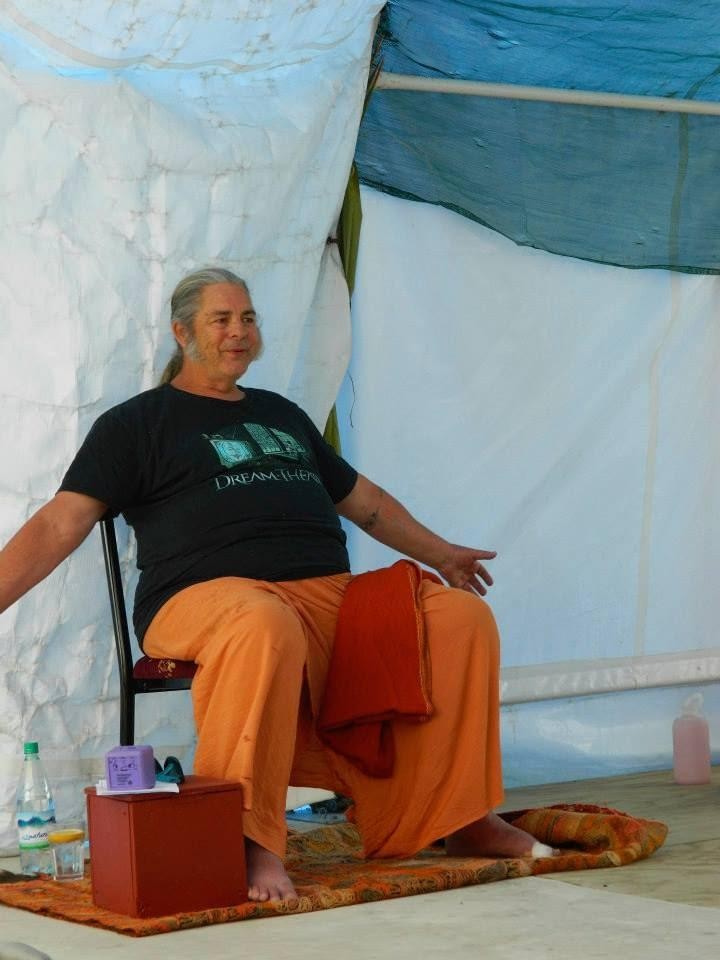
Artist: From own website.
Source; License: https://www.facebook.com/AshramYogaNZ/
Chapter: Chapter 3: What is Yoga.
Description: My late teacher Shanti.
Book Excerpt
While living in New Zealand, I learned a lot from my late teacher Swami Shantimurti Saraswati (Swami means celibate monk). His preparation as lecturer never ended. It started with 12 years stay at the Bihar School of Yoga. It continued with yearly visits to the Himalayas and knowledge sharing with Sadhus; monks. Shanti met Iyengar; the Dalai Lama and many others. He worked a lot teaching Guru Rimpoche, which is at the interface of Buddhism and his Vedic Yoga.
Lama Zeupa
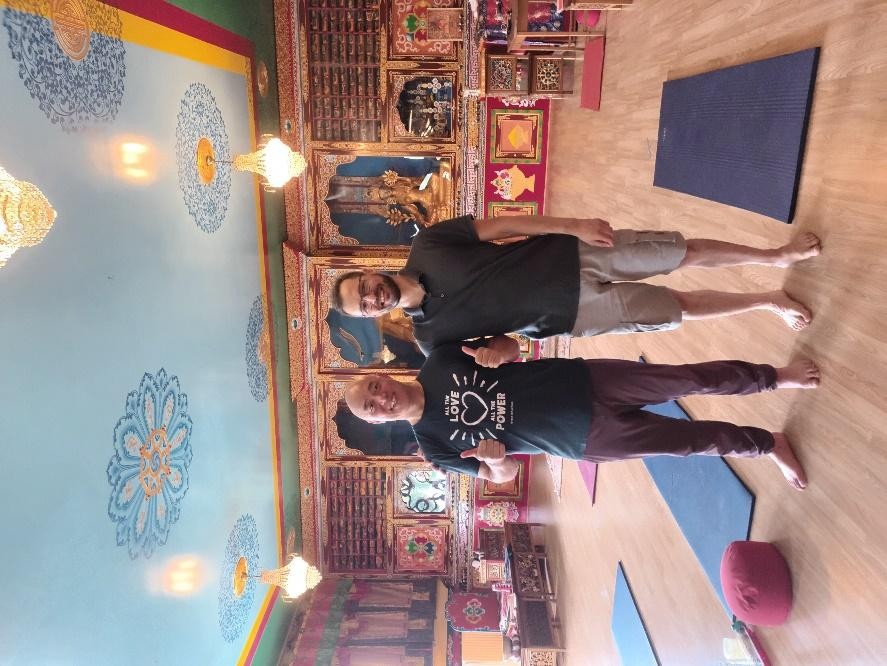
Artist: Taken during a Tibetan Yoga training in Huy Belgium.
Source; License: Author's own copyright. No reproduction allowed.
Chapter: Chapter 3: What is Yoga.
Description: My current teacher Lama Zeupa.
Book Excerpt
2022 photo of Lama Zeupa and myself on his Tibetan Yoga lesson covering some inverted postures (krias); pranayamas; etc.
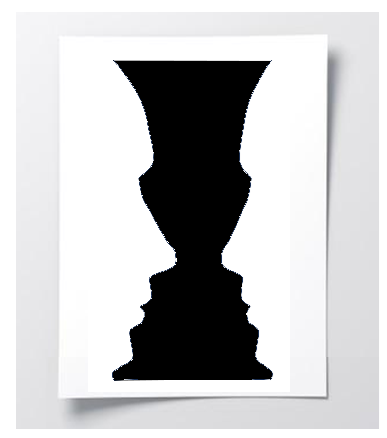
What do you see?
Author: André Augusto Cesta
Source; License: Source: André Cesta. Copyright: André Cesta. Reproduction is allowed provided mention to the book source is made as caption.
Chapter: Even the yogi language is different. The language of the historical Buddha was a beautiful language because often he would talk about the contour. What do you see? The countour? The object?
Description: Well; I wonder if the historical Buddha would first see the faces on the figure above. A lot of his language is describing the contour. He would say: “your mind can be your worst enemy”. We would not say: “make friends with your mind”. He would say: “life is suffering; this suffering has a cause; the cause can be removed”. He would not say: “let go and union please”.
Book Excerpt
Why? He is like a doctor treating a patient. There is no point talking about healthy states (harmony with your mind and union) to someone who is sick. The person has to realize the illness and the cause first. “You are shot by an arrow? Remove the arrow”.
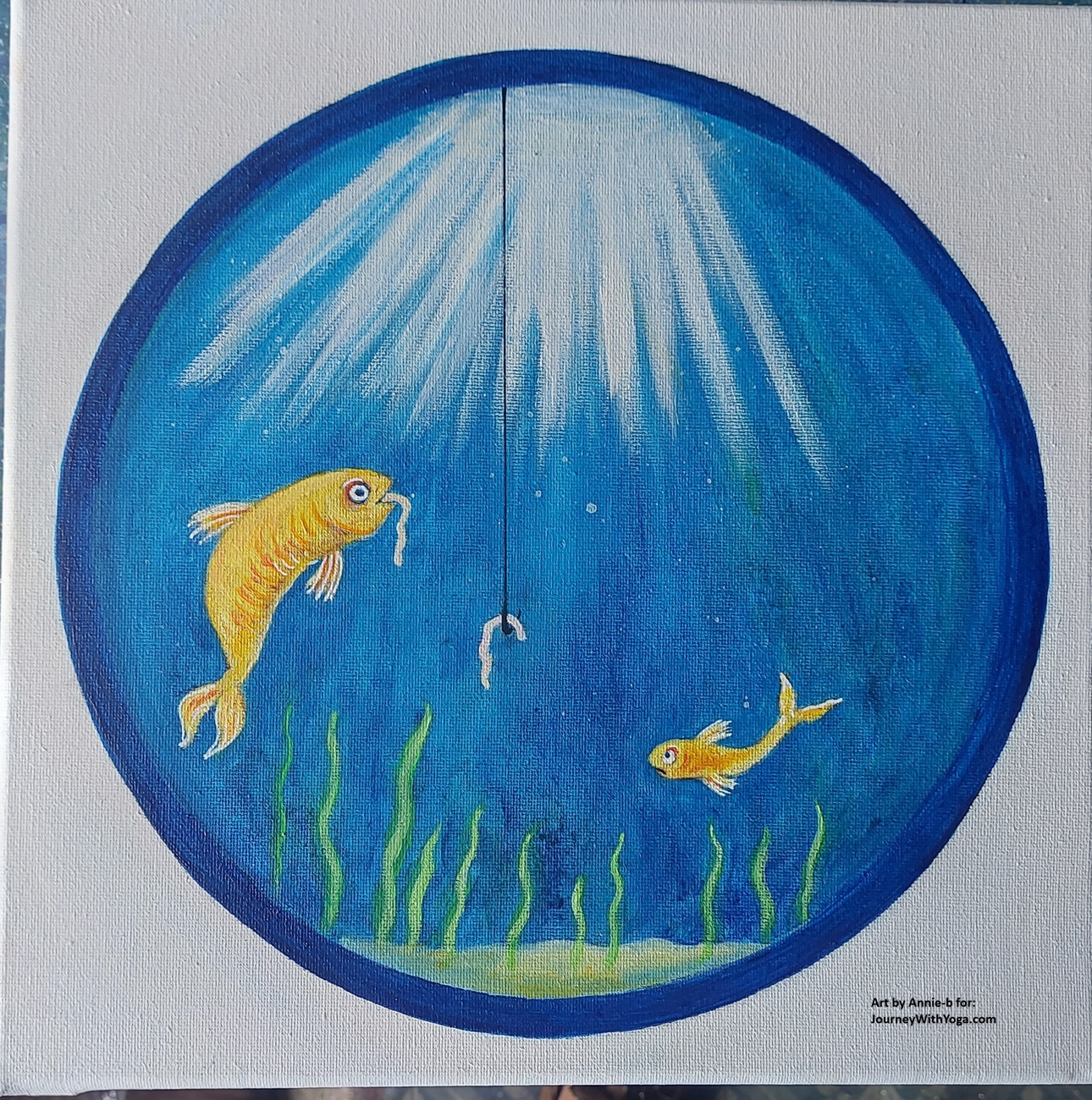
What is desire? What is aversion?
Author: Annie-b
Source; License: Illustration commissioned for the book. Feel free to share these low-resolution images on social media and web platforms provided mention to the artist and the book are clearly made below the image! Please note that all rights are reserved, and reproduction for prints or commercial use is strictly prohibited.
Chapter: Pema Chodron mentions in her book a cartoon somewhat like this. The fish enjoying the worm is saying to the other: “the secret is non attachment”.
Description: What is desire? What is aversion?
Book Excerpt
What is desire? What is aversion? I sometimes feel there is a force or voice within me that is trying to grasp; pull things I desire towards me. When I feel that; I know I am desiring. Likewise; I sometimes feel I try to push things I fear; dislike away from me. That is aversion. I feel I am moving. I am not in peace. The same for things I am attracted-to or disgusted-by; love or hate. I feel it in my body, often in my arms.
The Octopus
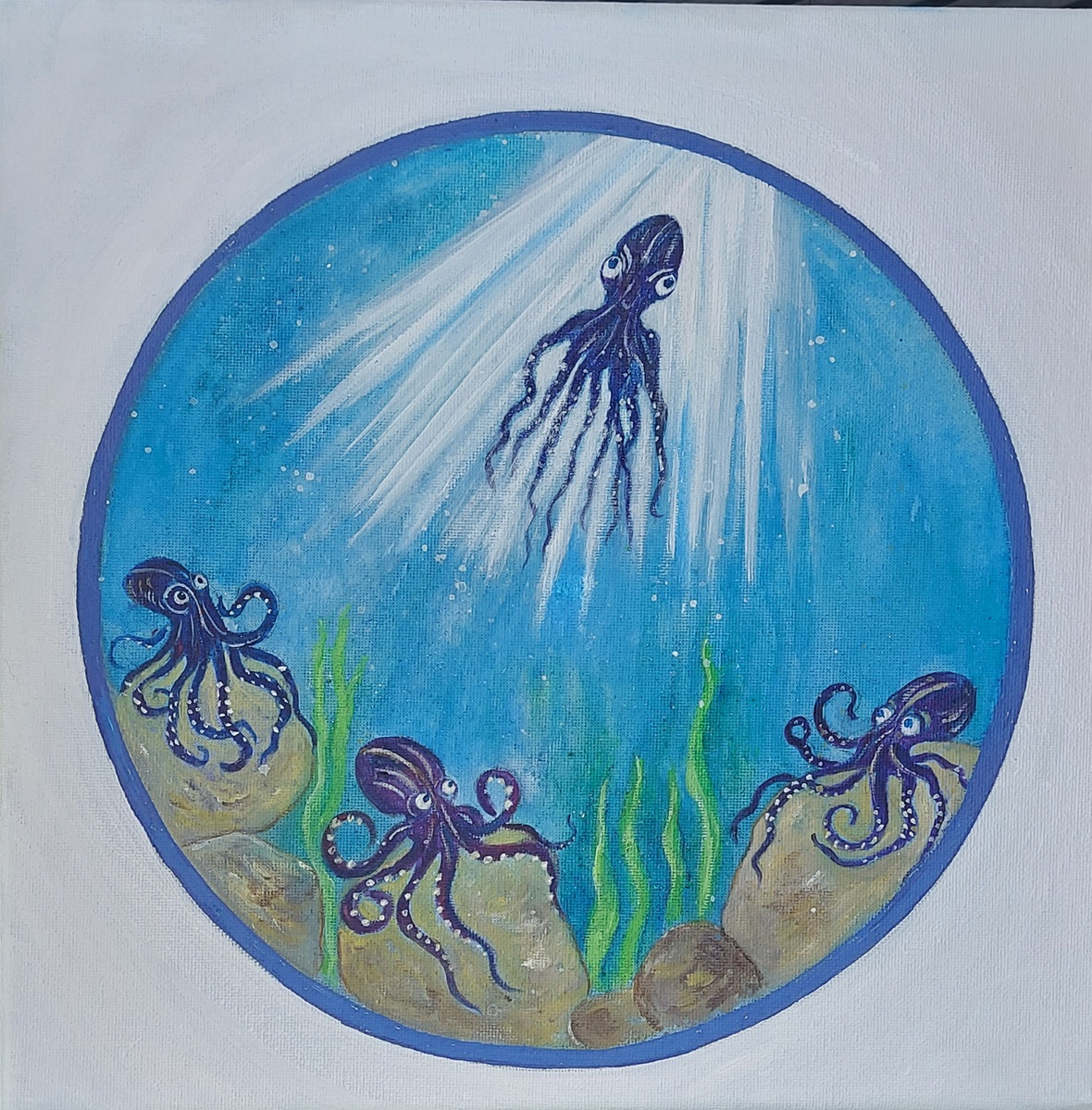
Author: Annie-b
Source; License: Illustration commissioned for the book. Feel free to share these low-resolution images on social media and web platforms provided mention to the artist and the book are clearly made below the image! Please note that all rights are reserved, and reproduction for prints or commercial use is strictly prohibited.
Chapter: 3: What is Yoga
Description: The story of the group of octopuses that lived attached to stones at the bottom of the sea.
Book Excerpt
It took a deep breath in and opened its tentacles. The current was strong and indeed it banged against a rock. A bit stunned it started learning to swim in the current and upwards, it finally saw some light.
Pick your burden

Author: AI Generated for this edition at least.
Source; License: Source: Gemini. Copyright: André Cesta. Reproduction is allowed provided mention to the book source is made as caption.
Chapter: 3: What is Yoga
Description: Please develop the ability to generalize for yoga. Like making something an X like in mathematics. “This X is a burden”.
Book Excerpt
Generalisation allows applying the solution to one problem widely to all other similar problems.
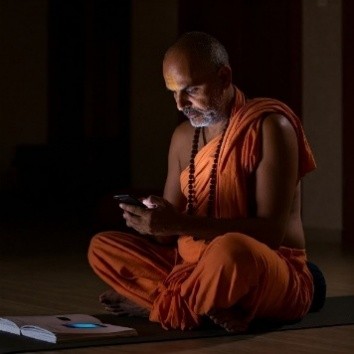
Monk Learning How To Use a Gadget
Author: AI Generated for this edition at least.
Source; License: Source: Gemini. Copyright: André Cesta. Reproduction is allowed provided mention to the book source is made as caption.
Chapter: 3: What is Yoga
Description: You know when you buy a movie camera and it comes with a manual on how to: clean it; recharge it; change the tape; start filming; do slow motion; freeze the image; fast forward? Every camera and computer I bought had a manual. I love reading manuals and extracting every functionality I have from my devices.
Book Excerpt
To me, finding yoga was like finding the lost manual for the instrument I received from my parents (body, mind, the whole package of a human form). You know when you buy a movie camera and it comes with a manual on how to: clean it; recharge it; change the tape; start filming; do slow motion; freeze the image; fast forward? Every camera and computer I bought had a manual. I love reading manuals and extracting every functionality I have from my devices.
I usually would think: ‘where is the mind manual?’ Regarding the mind manual: some sages – thousands of years ago – started writing the manual on mind, right? Yes. Sure. We have been quoting from those manuals here all the time. Please use them. Reading them again and again will transform your mind.
You Are Doing it Wrong

Author: AI Generated for this edition at least.
Source; License: Source: Gemini. Copyright: André Cesta. Reproduction is allowed provided mention to the book source is made as caption.
Chapter: 3: What is Yoga
Description: The dangers of using some instrument wrong. It reminds me of the joke of a mindless man ironing clothes when the telephone rings.
Book Excerpt
To me, finding yoga was like finding the lost manual for the instrument I received from my parents (body, mind, the whole package of a human form). You know when you buy a movie camera and it comes with a manual on how to: clean it; recharge it; change the tape; start filming; do slow motion; freeze the image; fast forward? Every camera and computer I bought had a manual. I love reading manuals and extracting every functionality I have from my devices.
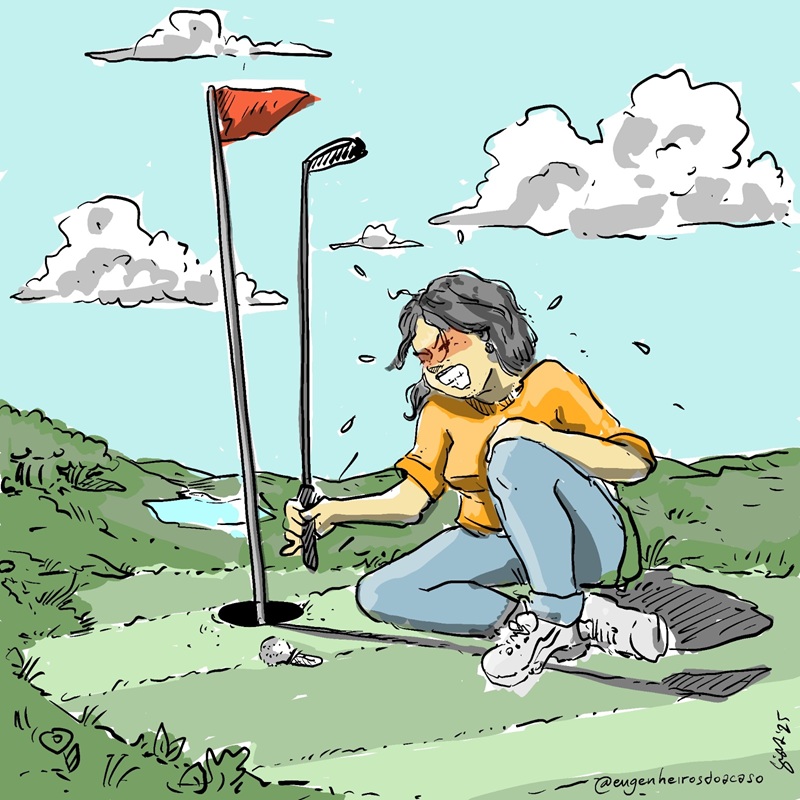
Golf Miss
Author: Golf Miss.
Source; License: Illustration commissioned for the book. Permission to share provided credits to the artist and book are clearly provided below the picture.
Chapter: 3: What is Yoga
Description: I once was playing golf with my friend. And she hit the ball from a long distance and missed the hole for just an inch! She cursed and contorted for missing the putt.
Book Excerpt
I told her: “what you did was truly amazing; what good friends your mind and body were to make that ball pass one inch away from the hole from such a long distance.”
“Why do you talk to yourself cursing (aggressively) when you did pretty good? It could be that the grass that is to blame. How will your mind get its good actions reinforced and learn further when you curse it for such an amazing shot?”
You know those tennis players that break the racket by banging it angrily on the ground after missing a point? That is not a-himsa (non-violence). Well, these are not yogis, these are tennis players (smile).
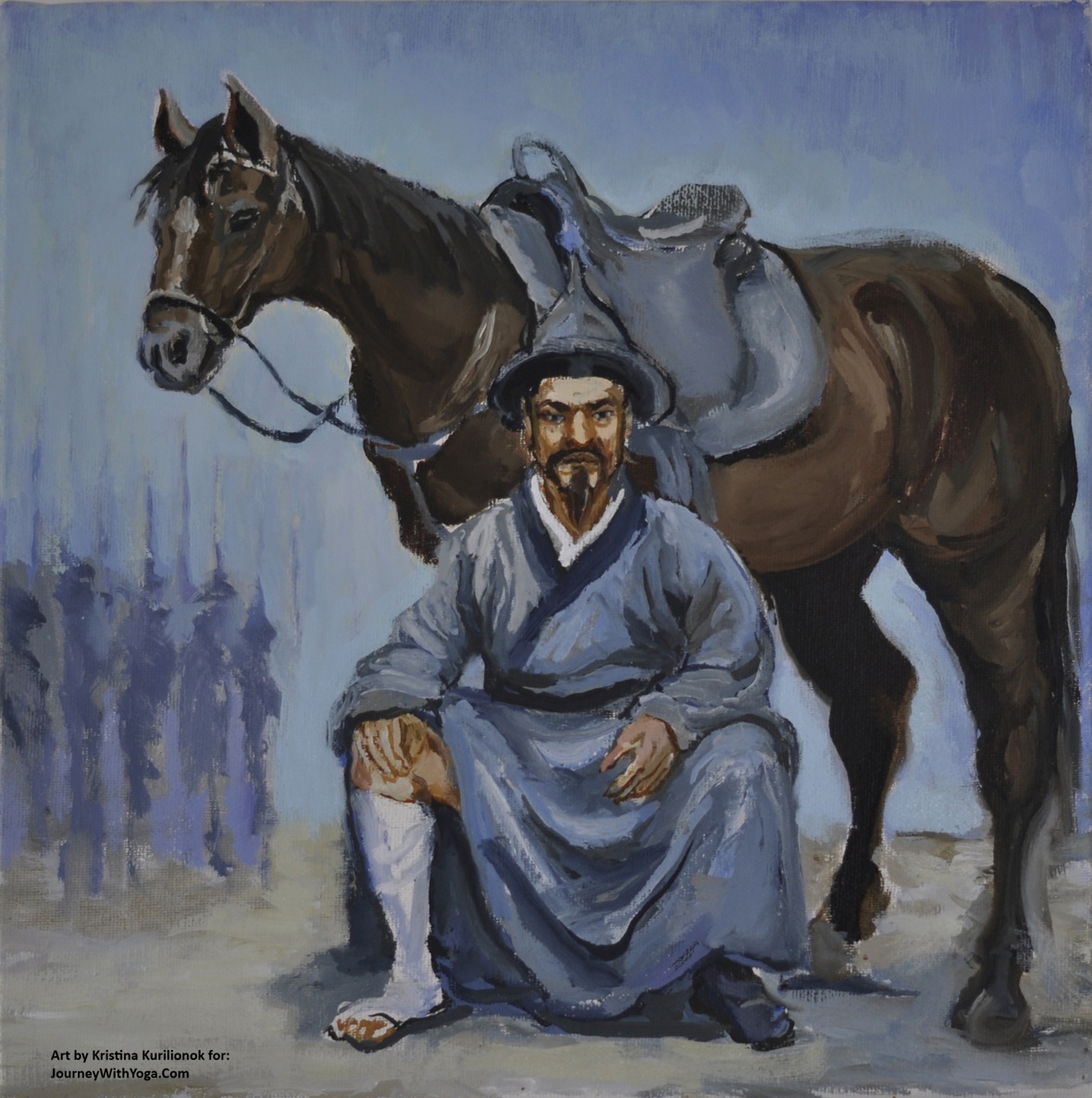
The Story of the Chinese Man Whose Son Broke a Leg
Author: Kristina Kurilionok
Source; License: Illustration commissioned for the book. Permission to share provided credits to the artist and book are clearly provided below the picture.
Chapter: 3: What is Yoga
Description: A story on equanimity.
Book Excerpt
Nothing could move that mountain of a man.
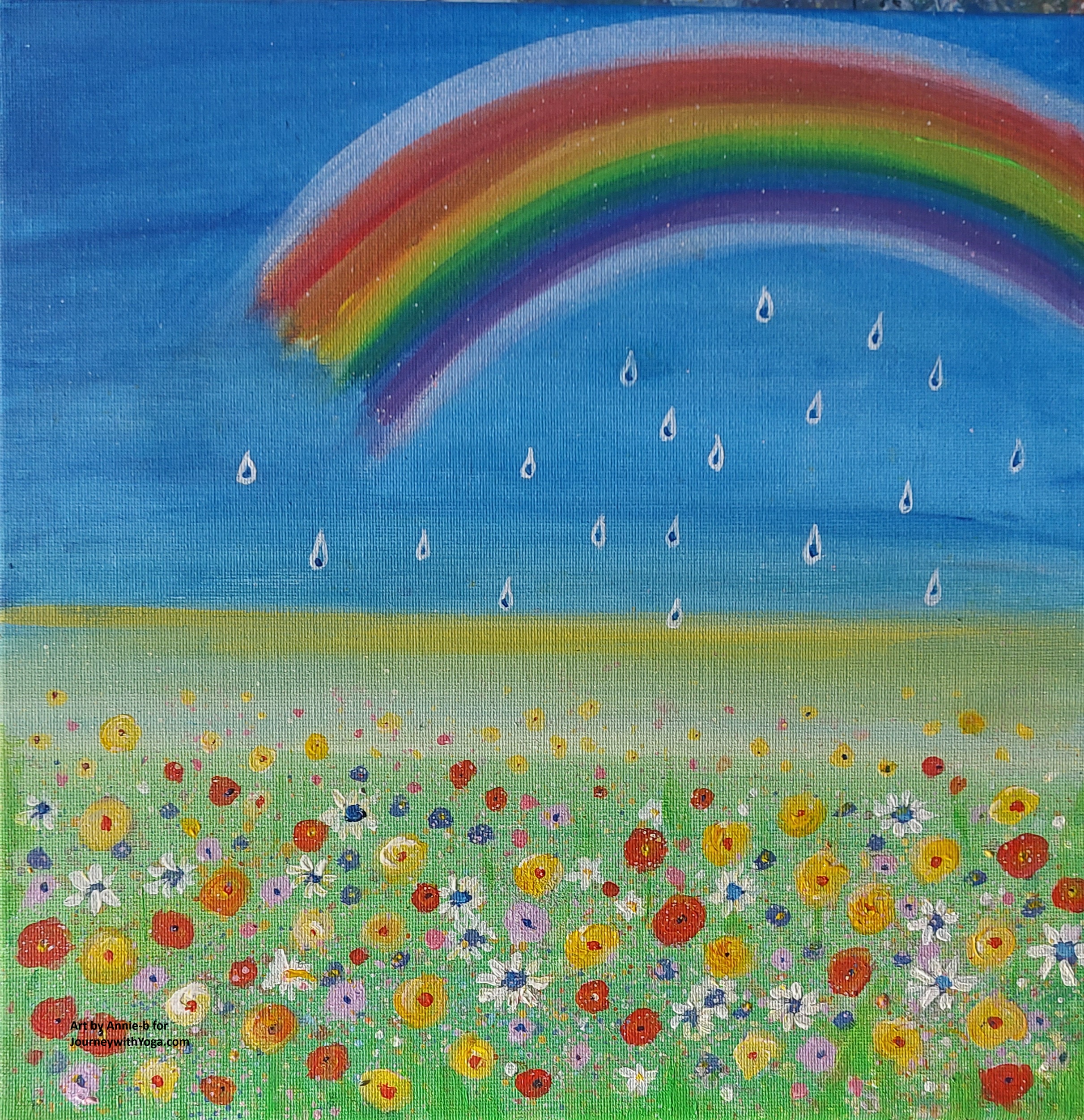
No Rain, No Rainbows
Author: Annie-b
Source; License: Illustration commissioned for the book. Feel free to share these low-resolution images on social media and web platforms provided mention to the artist and the book are clearly made below the image! Please note that all rights are reserved, and reproduction for prints or commercial use is strictly prohibited.
Chapter: 3: What is Yoga
Description: His reply was instant: “Rainbows are pretty, and useless, they are pretty useless. What matters is the sun and rain for the plants”.
Book Excerpt
Thus a comment on usefulness. It also declared his true motivation to be like the sun and the rain for others. Not like a pretty and useless rainbow.
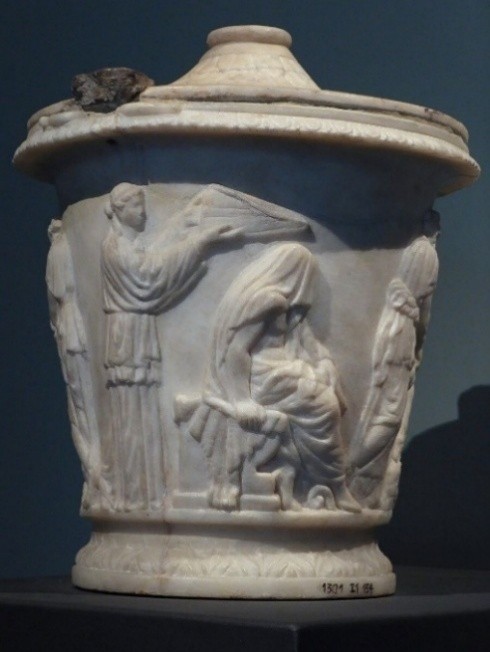
The Lovatelli Urn
Author: Unknown, 1st century AC
Source; License: Source: Wikipedia. License: Public Domain.
Chapter: 3: What is Yoga
Description: Regarding meditation on death.
Book Excerpt
One such techniques was meditation on death. You can find some mentions and descriptions of it on the Dhammapada; on Paulo Coelho’s “the pilgrimage”; on Ananda Marga’s practices such as visiting a cemetery at night (cemetery sadhana, which is also about confronting fear in general, not only of death). Christ was also meditating on it: “He who has known the world has found a corpse; and he who has found a corpse, the world is not worthy of him.” – Christ on Gospel of Thomas Saying 56.
The Sirens and Ulysses

Author: William Ety, 1837.
Source; License: Source: Wikipedia. License: Public Domain.
Chapter: 3: What is Yoga
Description: Ulysses asked to be tied to the ship’s mast to avoid jumping in the water upon hearing the beautiful singing of the sirens. Ulysses clearly had resolution; motivation; ingenuity. What he did not have was discipline and strength (or did not have enough since no man survived that strength test).
Book Excerpt
The real strength comes from the freedom of being able to have and then choosing not to have. Just locking yourself from having is maybe not a test of the mind strength. But well resolute.
A Dog Chasing Its Tail

Author: Lil Shepherd.
Source; License: Source: Wikipedia. License: Public CC2.0. https://www.flickrom/photos/lilshepherd/7209126530
Chapter: 3: What is Yoga
Description: Thus. About the warning of not desiring enlightenment. Let us not lose peace in the pursuit of peace. Otherwise, we will look more like a dog chasing its tail than a yogi doing some postures.
Book Excerpt
I did not mean to criticize dogs by their silly tail chasing. It is just to explain us human going silly. Dogs are wonderful creatures and I absolutely adore them. I go to the park and I see the dogs often have more peace, kindness, energy, and forgiveness than their human owners.
Rich Man's Dog; Poor Man's Dog Play

Author: AI Generated for this edition at least.
Source; License: Source: Gemini. Copyright: André Cesta. Reproduction is allowed provided mention to the book source is made as caption.
Chapter: 3: What is Yoga
Description: A rich dog owner comes to the park and does not speak to a poor dog owner, it is like these humans can sniff each-other’s social class. But their dogs, once unleashed, will play together instantly, with or without pedigree.
Book Excerpt
Ordinary man are weird creatures. Dogs are wonderful. Diogenes van Sinope would stay with me on this.
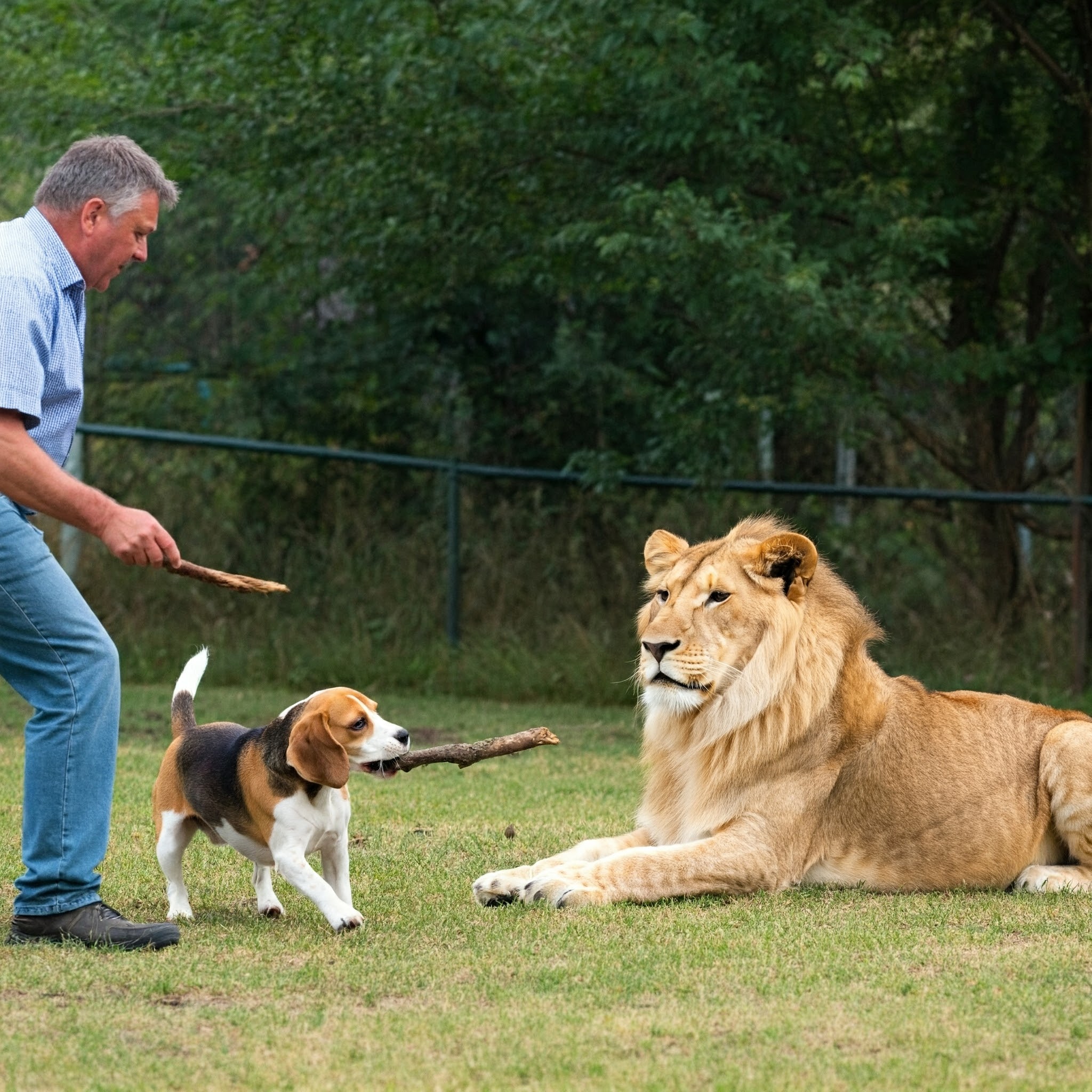
Look at the Thrower
Author: AI Generated for this edition at least.
Source; License: Source: Gemini. Copyright: André Cesta. Reproduction is allowed provided mention to the book source is made as caption.
Chapter: 3: What is Yoga
Description: “When you run after your thoughts, you are like a dog chasing a stick: every time a stick is thrown, you run after it. Instead, be like a lion who, rather than chasing after the stick, turns to face the thrower. One only throws a stick at a lion once.” – Milarepa.
Book Excerpt
This above quote has several interpretations. From looking at your shadow producing negative thoughts, to just discovering the causes of life processes. But let us approach the phrase from a materialistic angle. Society chasing money... not knowing where money comes from.
The Big Money Chase

Author: AI Generated for this edition at least.
Source; License: Source: Gemini. Copyright: André Cesta. Reproduction is allowed provided mention to the book source is made as caption.
Chapter: 3: What is Yoga
Description: Many people are chasing money. They run after money like dogs run after a stick. Unless you are a thief, this is probably the wrong chase.
Book Excerpt
Much better is the ability to make money than the money itself. For if one happens to lose the money he has; and he has never improved his ability to make money; then it will not be easy to earn the lost money back quickly.
“If money is your hope for independence, you will never have it. The only real security that a man can have is a reserve of knowledge, experience and ability.” – Henry Ford.
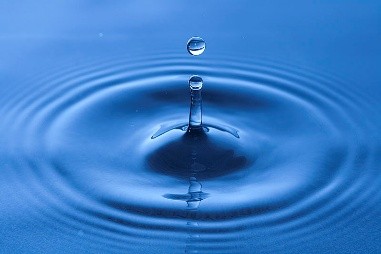
Calm Surface
Author: David Restivo, Aarau, Switzerland.
Source; License: Wikipedia. License: ASAG: 2.0.
Chapter: 3: What is Yoga
Description: A metaphor for a peaceful mind.
Book Excerpt
The peace metaphor that helps us here is that of a placid lake with no waves on the surface. The lake eventually comes to rest and is in peace. One can say that this mirror surface of the lake is the natural state of the lake in the absence of wind, perturbations, desires, fear, attachments. More important, on such a lake one can see the bottom. And a tiny drop of a thought is so intensely noticeable. In such peace, even if for a few days on a retreat, mindfulness develops further.

Author: AI Generated for this edition at least
Source; License: Source: Gemini. Copyright: André Cesta. Reproduction is allowed provided mention to the book source is made as caption.
Chapter: 3: What is Yoga
Description: Layer upon layer.
Book Excerpt
Finding this peace is a process that goes more about removing than adding… Coming to a rest. My teacher Lama Zeupa says: “it is like an onion you remove layer upon layer, until you find nothing” and that is a beautiful finding of a nothing!
Rough Gem, Gem Covered in Dust

Author: Vassil.
Source; License: Source: Wikipedia. License: Public Domain.
Chapter: 3: What is Yoga
Description: The metaphor of the gem covered in dust is also similar.
Book Excerpt
A metaphor typically used for the work on layer upon layer of our self.
Rockie and Experienced Boarders

Author: AI Generated for this edition at least.
Source; License: Source: Gemini. Copyright: André Cesta. Reproduction is allowed provided mention to the book source is made as caption.
Chapter: 3: What is Yoga
Description: Comparing a relaxed experienced boarder (left) with a tense rookie (right).
Book Excerpt
Left boarder: relaxed, not afraid to fall. Flowing down the mountain in long ‘S’ shaped waves, garlands where he goes as if he would fall back, and then inverts and goes as if he would fall to the front. In doing so, it is much less likely he has an actual fall. If he stays too much on one of the curves of the ‘S’ shape, he goes in circles or falls, so he alternates concave, convex with his body; arch back; arch forward. By alternating he does not get tired, the muscles are either contracting or relaxing by changing the arch. He can snowboard the whole day like this and not get tired. Even when aiming at going straight, he just does a long, stretched ‘S’ with bits of arching back or forward. It looks like he is falling back, and his centre of gravity may even be a bit outside the centre of the board, but he is not going to fall easily here. He relies on carving the snow with the side, edge of the board. The board feels reliable like a knife in the snow, cutting through eventual small bumps.
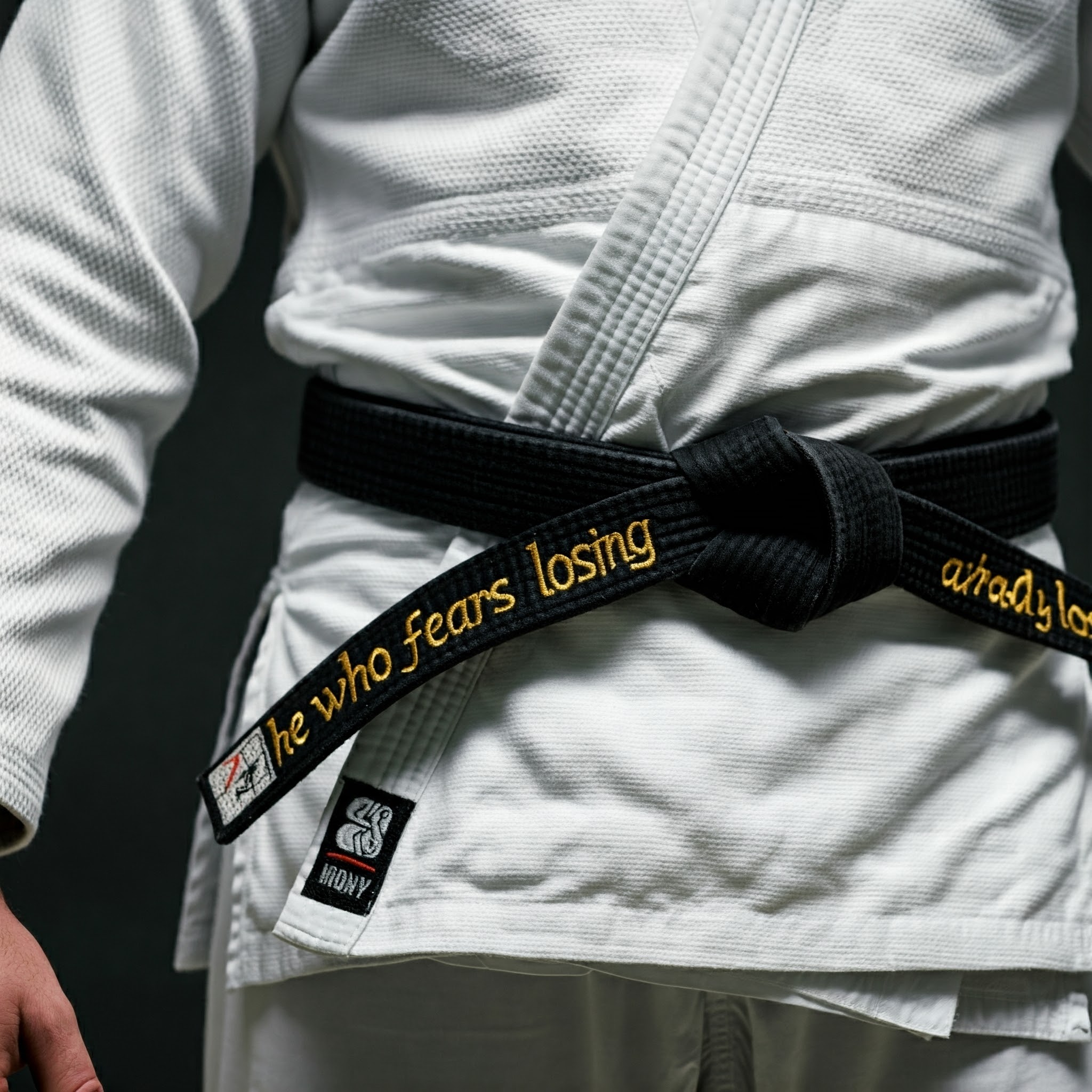
He Who Fears Losing has Already Lost
Author: AI Generated for this edition at least.
Source; License: Source: Gemini. Copyright: André Cesta. Reproduction is allowed provided mention to the book source is made as caption.
Chapter: 3: What is Yoga
Description: Winning should not be your priority... I remember a Judo belt I had which had an embroiding in golden thread that read as the following Zen koan: “he who fears losing has already lost”. Let us reflect on this for a while.
Book Excerpt
What has the Judoca lost by fearing losing? His mind? His peace? His right view? You should wonder why I am bringing this subject of “fearing losing” here when we were talking about desiring things...
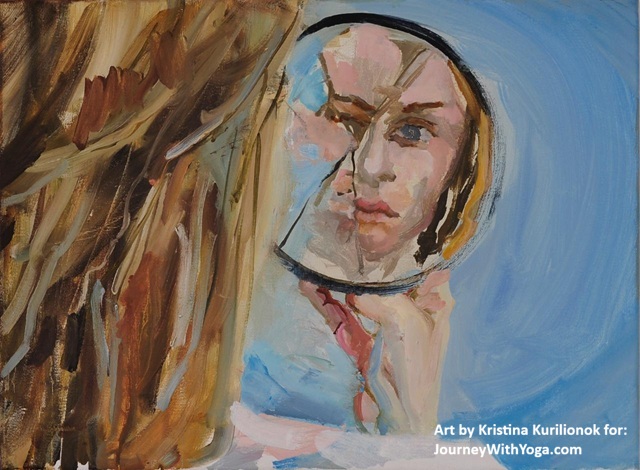
Broken Mirror
Author: Kristina Kurilionok
Source; License: Painting comissioned for the book. Permission to share provided credits to the artist and book are clearly provided below the picture.
Chapter: 3: What is Yoga
Description: In psychology, one of the worst things one can do to oneself is dissociation, of thoughts; speech; actions.
Book Excerpt
Dissociation is when ‘what we think’ is other than ‘what we say’, which is other than ‘what we do’, ‘achieve’. For instance, I may have the intention of doing something good, but then I say it all wrong and do it even different than what I said.